

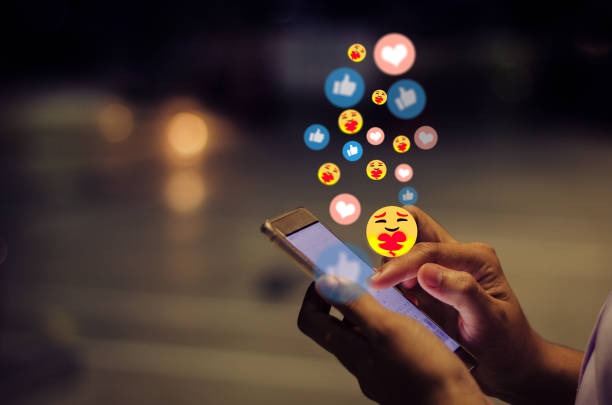
In the ever-evolving landscape of social media, Instagram has emerged as a dominant platform where users measure success through likes, comments, and followers. These metrics have become synonymous with validation and influence in the digital age. However, a growing concern is surfacing around “Instagram like inflation”—a phenomenon where the value of these metrics diminishes due to artificial manipulation or shifting user behaviors. This raises a critical question: Are these numbers becoming meaningless?
At its core, Instagram operates on engagement metrics to gauge content performance. Likes serve as an easily digestible indicator of popularity and quality. Yet, over time, this system has been exploited by bots, fake accounts, and engagement pods designed to artificially inflate numbers. Users often purchase likes or participate in reciprocal liking schemes to create an illusion of virality or credibility. While this may boost visibility temporarily, it distorts the authenticity that these metrics were initially intended to reflect.
The problem extends beyond just artificial inflation; changes in user behavior contribute significantly to metric dilution as well. With Instagram’s shift toward video-centric content such as Reels and Stories—and algorithmic prioritization of new formats—the traditional “like” button no longer holds the same weight it once did for measuring impact. Many users now smm liker passively consume content without engaging directly with posts through likes or comments.
Moreover, Instagram’s decision in recent years to experiment with hiding public like counts further complicates their relevance. While this was done primarily for mental health reasons—to reduce pressure on users—it also signaled a shift away from overt numerical validation toward more nuanced forms of interaction like shares and saves.
Brands and influencers are increasingly aware that inflated numbers do not necessarily translate into meaningful outcomes such as conversions or genuine audience connection. As marketing strategies evolve on social platforms like Instagram, there’s greater emphasis on qualitative insights—such as community engagement rates—or storytelling elements that foster trust over vanity metrics alone.
The rise of alternative tools for analytics is another testament to how businesses are adapting their focus beyond surface-level numbers. Metrics such as watch time on videos or direct messages received often provide deeper insights into audience interest than mere likes ever could.
Ultimately, while likes remain part of Instagram’s DNA, their significance is undeniably waning amid inflationary practices and changing norms within digital culture. The challenge now lies in redefining what truly matters when evaluating online influence: depth over breadth—a return to authentic connections rather than superficial tallies.